
The next big research project for me is Ecologically Entangled Interspecies Communities, where I will look at how non-Western (Indigenous, African, Chinese, South Asian) conceptions of agents, action, and inaction can point us to a new way of thinking about collaboration with animals and ecosystems. Below are nine more specific projects on the horizon (from most to least developed).
Protest, Place, and Interspecies Politics
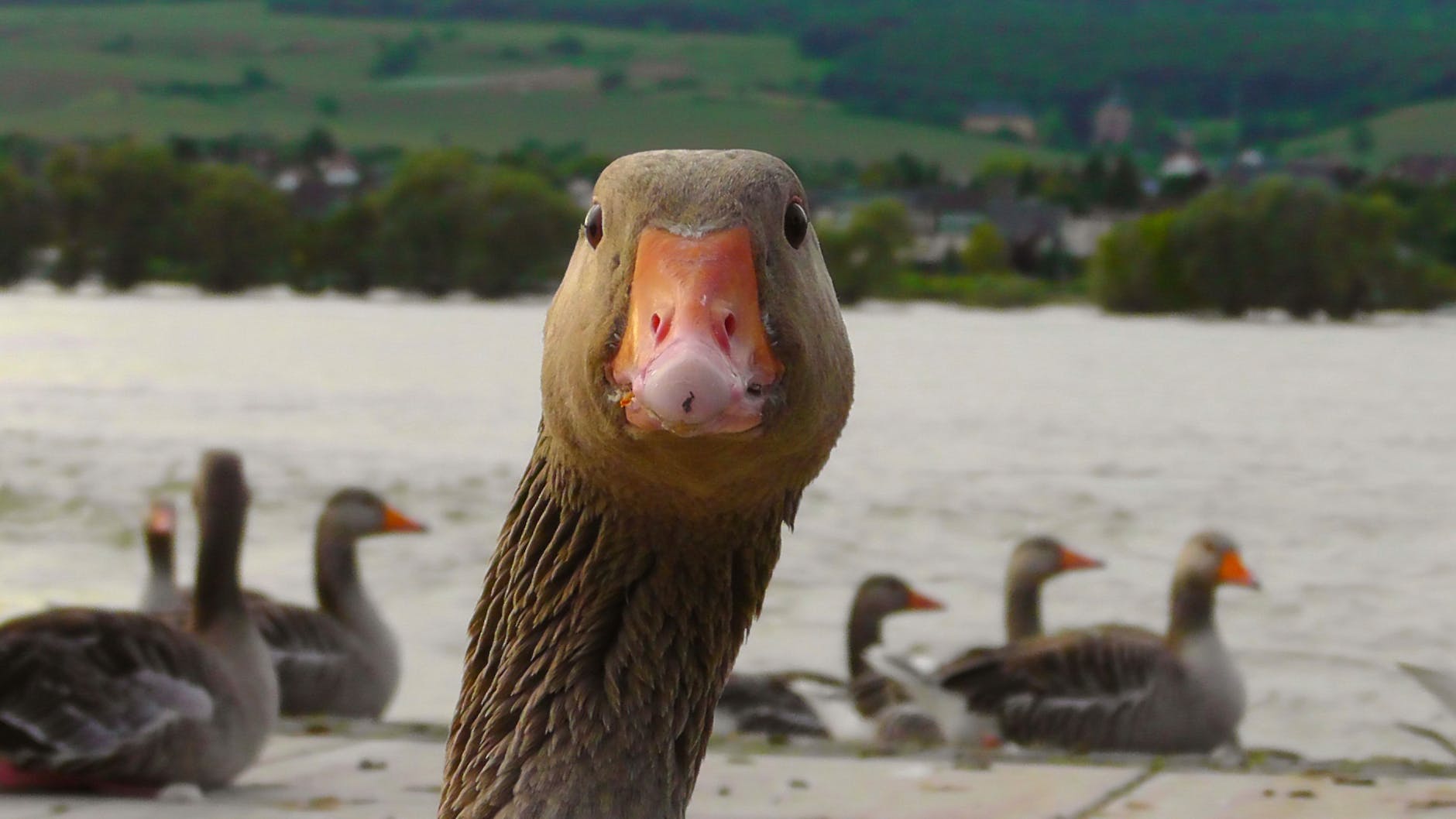
This is a dissertation chapter that I am rewriting as an article where I explain that:
Respecting the relationships wild animal communities have with a shared world requires being attentive to them. When we erect barriers, track animal movements, or build bridges for them to safely cross highways, we are not just being good stewards, we are also listening to others whose behaviour itself carries a political meaning. When wild animal communities conflict with humans, they are telling us that something is not working. Obviously, this is not their intention, but we don’t need it to be. Humans politicized the world, and so humans must politicize the meaning of behaviour. The goal of this chapter is not to make new suggestions about how to mitigate interspecies conflict. Rather, I want to highlight that when we mitigate interspecies conflict it is a matter of justice between two active political communities. This paints a picture of how we can apply the transformative conception of wild animals having their own jurisdiction on shared land. Wild Animals’ Grounded Authority reimagines wild animal communities as political, and Wild Animals’ Political Participation spells out what respecting that status means for human societies.
Artificial Agents in Our Community

This project builds on my 2024 presentation at the Canadian Philosophical Association Congress on “ecological” respect for AI.
In the “rights of nature” literature inanimate natural entities, like rivers, are conceived of as rights holders, which draws on Indigenous ontologies that characterize these ecological entities as agents, sometimes even ancestors. Through their role in the community as a provider, sustainer, and knowledge holder, ecological entities practice interactive agency. As a result, we ought to respect not only our relationship with these beings, but also all the other communal and ecological relationships they have.
AI entities are similar a node for connection between human communities, infrastructure, and macro-level logistics. Because of the interactive role in the community they practice a kind of agency (often as a knowledge holder). As a result, a good model for AI ethics may be the relational community models we see in Indigenous and African approaches to ecological community. We must respect these places of connection because of all the others that are connected to this same structure.
What’s at stake for human exceptionalism?

Invited contribution for the Routledge Companion to the Philosophy of Human Nature
This chapter looks at “human exceptionalism” as a “narrative.” Some of the key exceptionalist debates present different stories about humanity’s place in the animal kingdom. Whether we say animals have culture, collaborate, are moral agents, or have language, may have more to do with how we define those terms than what we believe about animal behaviour. Our motives may have a lot to do with why define capacities the way we do. Animal ethics motives may tend to support gradualist accounts that position “humanity” as just one of many animals. Meanwhile, if the goal is to explain humanity’s obviously incredible technological, cultural, and linguistic sophistication, we may want to define relevant capacities more narrowly. This problematizes the idea of human exceptionalism, such that we might better capture how our perspective is colouring the interpretation of empirical findings.
 Dennis Papadopoulos